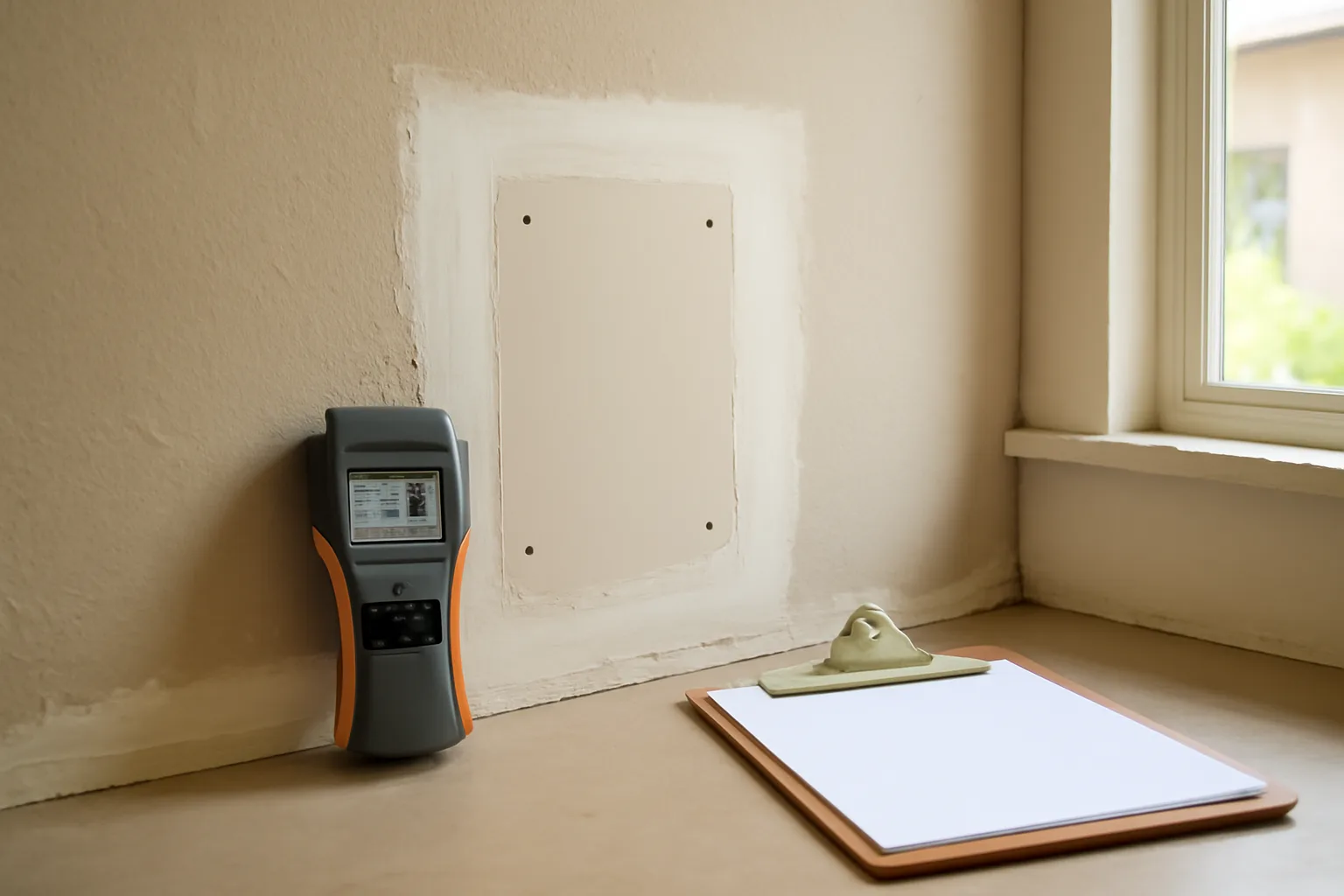
The first day after a Gloucester City fire matters because soot etches and odor sets the longer the cleanup waits. We clean soot by surface type — wet method, dry method, abrasive — because what works on tile fails on raw wood. In area, attached garages and shared basements give fire and smoke extra paths we always check. We photograph each surface before and after cleaning so the soot work is shown, not merely claimed. Call 551-237-7446 and a board-up crew is sent out the same hour.
How Fire And Smoke Damage Really Spreads
Soot is acidic, and it keeps corroding metal, glass, and finishes for as long as it sits uncleaned. Soot deposited inside the HVAC becomes an odor reservoir that pushes residue back into the living space every time the system runs.
We stabilize the opening, dry the suppression water before the framing can mold, and map the soot travel through the cavities and ductwork. We document the burn area, the smoke migration, and the water damage separately so the claim reflects all three.
What Real Deodorization Takes
Standard cleaners and home-center ozone products mask smoke odor temporarily; they do not eliminate it. Porous materials that cannot be cleaned to a neutral state are removed rather than sealed over and hoped about.
We make the cleaning-versus-replacement call on the condition of the system, not on what is easiest to bill. When source removal, material removal, and treatment are all done, the smell does not come back next month.
Handling The Water A Fire Leaves — The Essentials
A fire loss is rarely just a fire loss — the saturated framing left by the hoses is a clock of its own. The water carries soot deeper into porous materials, so leaving it in place spreads the contamination further.
We treat the water side with the same metered discipline as any flood, so the framing dries before mold has a chance. Drying the structure properly is half of a fire restoration done right, and the half most owners do not expect.
Putting out a house fire takes a great deal of water, and all of it ends up in the structure as a second loss. We carry the water side through to verified-dry, so the rebuild sits on sound, dry framing instead of a hidden problem. Our crew pulls the water the fire left, sizes drying equipment to the saturation, and tracks the dry-down to standard. Drenched framing in a cold-season loss starts growing mold fast, which is why we dry while we clean rather than after.
How Smoke Residue Keeps Working — The Real Picture
The longer soot sits on a surface, the more likely the damage becomes permanent rather than cleanable. Glass, chrome, and finished metal pit and cloud; grout and porous stone absorb the residue and stain for good.
We address the surfaces the smoke actually reached, not just the obvious ones, and we do it quickly. Acting in the first days is what keeps a fire loss from spreading into surfaces the flames never even reached.
The residue a fire leaves does not just look bad — it chemically attacks surfaces every day it is left in place. Acting in the first days is what keeps a fire loss from spreading into surfaces the flames never even reached. We clean soot by surface type — wet method, dry method, abrasive — because what works on tile fails on raw wood. Every day of delay moves more of the home from the cleanable column into the replace column.
What Happens To Your Belongings — The Essentials
Smoke and suppression water reach the contents of a home as surely as the structure, so they get their own process. Items that can be cleaned are removed, treated off-site, and protected; items beyond saving are documented before disposal.
We document each item we pack out, giving your adjuster a clear record of what was saved and what was lost. That way the belongings side of the claim is as clean and documented as the building side, with no loose ends.
Smoke and suppression water reach the contents of a home as surely as the structure, so they get their own process. Treating the belongings with the same care as the structure is part of doing a fire loss right, start to finish. The inventory ties each item to its condition, so the adjuster can see exactly what the smoke and water reached. We sort the contents into salvage and loss, clean the salvage in a controlled environment, and record the rest for the claim.
How this fits the bigger recovery
In {city}, the damage rarely ends where you first see it — fire damage restoration often overlaps with water removal, storm damage restoration, air quality remediation, sewage backup recovery, post-loss reconstruction, and we run all of it without a handoff. We hold the same standard across and everywhere else across area.
If you searched for a restoration crew near you, When you reach out, a real person takes the call, and the job gets done right. Call 551-237-7446 any hour, read Why "Surface Dry" Grows Mold in Gloucester City Homes on our blog, or head back to our Gloucester City home page to see everything we do.